Smart Home Organization Tips for a Clutter-Free Life
Introduction A well-organized home saves time, reduces stress, and improves daily living. Smart organization isn’t about perfection — it’s…


Every home, no matter how big or small, comes with its own set of everyday frustrations. Some of them are obvious — cluttered spaces, lack of storage, constant cleaning — while others slowly build up and drain your time and energy without you even realizing it.
The good news?
Most of these problems don’t require renovations, expensive furniture, or a complete lifestyle overhaul. In many cases, small, intentional changes are enough to make life at home noticeably easier.
Below, we’ll break down 30 common home problems people deal with daily — and simple, realistic fixes that actually work. These are the kinds of changes that improve flow, reduce stress, and help your home support your life instead of complicating it.
Shoes, bags, jackets, keys — everything ends up in one chaotic pile near the door.
Simple fix:
Create clear “zones” instead of one surface. Hooks for bags and jackets, a small tray for keys, and a shoe basket instantly give every item a purpose. When things have a home, clutter stops feeling inevitable.
Related : 1-Day Entryway Reset: The Simple System That Sets the Tone for Your Entire Home
If you lose your keys regularly, the problem isn’t memory — it’s the system.
Simple fix:
Place a dedicated key hook or bowl at eye level near the entrance. Make it the only place keys are allowed to live. Consistency beats cleverness every time.
Shoes scattered across the hallway make the entire home feel messy.
Simple fix:
Limit how many shoes are allowed in the entryway. Store daily-use pairs only and rotate seasonally. A slim shoe rack or closed bench keeps visual clutter under control.
Even clean kitchens feel messy when counters are overcrowded.
Simple fix:
Remove rarely used appliances from the counter. If you don’t use it daily, it doesn’t need prime real estate. Clear counters instantly make a kitchen feel larger and calmer.
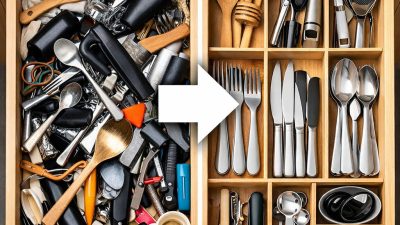
Related : How to Organize a Kitchen Drawer That’s Always a Mess (No Tools Needed)
Buying duplicates or letting food expire is a common frustration.
Simple fix:
Use clear containers and group similar items together. Seeing what you have reduces waste and speeds up meal planning.
Messy drawers waste time and create frustration.
Simple fix:
Drawer dividers don’t need to be fancy. Even small containers or boxes create structure. Order inside drawers translates to efficiency outside of them.
This often means clutter is the real problem, not dirt.
Simple fix:
Reduce surfaces that collect random items. The fewer objects you have out, the faster cleaning becomes — and the cleaner your home feels overall.
Too many products create visual chaos in a small space.
Simple fix:
Edit aggressively. Keep daily essentials accessible and store backups elsewhere. Less visual noise makes even small bathrooms feel organized.
Related : 1-Day Bathroom Reset: A DIY Organization Plan That Makes Life Easier at Home
Wet towels on chairs and doors ruin the look of a space.
Simple fix:
Add hooks at reachable heights. People are far more likely to hang towels when it’s easy and obvious.
Cleaning becomes harder when supplies are scattered.
Simple fix:
Create one cleaning caddy with essentials. Portability saves time and removes friction from daily tasks.
This is usually a visibility issue.
Simple fix:
Declutter by category and store off-season clothing elsewhere. When everything is visible, decision-making becomes easier.
Related : 1-Day Closet Reset: A Simple System That Makes Getting Dressed Effortless
Laundry chaos often starts before washing even begins.
Simple fix:
Use separate baskets for colors or family members. Sorting earlier saves time later and reduces mental load.
Bedrooms often become storage spaces without intention.
Simple fix:
Remove anything that doesn’t support rest. Softer lighting, fewer objects, and clear surfaces make a noticeable difference in how the room feels.
Loose cables instantly make a space look messy.
Simple fix:
Use cable clips, boxes, or sleeves. Tidy cords create visual calm with minimal effort.
A small but annoying daily problem.
Simple fix:
Assign a single tray or basket for remotes. When everyone knows the rule, the problem disappears.
Mail, receipts, and documents pile up before you notice.
Simple fix:
Create a paper-processing station. Deal with paper once a week instead of letting it spread throughout the home.
Toys migrate quickly without boundaries.
Simple fix:
Limit how many toys are accessible at one time and rotate them. Fewer options lead to better play and easier cleanup.
Clutter shrinks rooms visually.
Simple fix:
Use vertical storage and keep floors as clear as possible. Open floor space instantly makes rooms feel larger.
Unused rooms often lack a clear purpose.
Simple fix:
Define a function for every space, even if it’s small. Intentional rooms get used more and feel more complete.
Messy fridges slow everything down.
Simple fix:
Group similar items together and keep frequently used foods at eye level. Organization improves habits naturally.
Mornings reveal the cracks in home organization.
Simple fix:
Prepare the night before. Simple habits like laying out clothes or packing bags reduce daily stress significantly.
Storage without structure doesn’t solve anything.
Simple fix:
Organize first, then buy storage based on real needs. Storage should support systems, not replace them.
Flat surfaces attract random items.
Simple fix:
Limit decorative objects and leave space intentionally empty. Empty space is functional, not wasted.
Trying to do everything at once causes burnout.
Simple fix:
Work in small zones and set time limits. Progress beats perfection every time.
This often comes from visual imbalance.
Simple fix:
Focus on cohesion. Matching tones, consistent materials, and fewer styles make a home feel intentional.
Homes affect mood more than we realize.
Simple fix:
Personalize intentionally. Keep what you love, remove what drains you, and design for comfort first.
Rearranging without decluttering rarely works.
Simple fix:
Reduce first, then rearrange. Less stuff creates better flow automatically.
This usually means systems are missing.
Simple fix:
Build habits around maintenance, not deep cleaning. Small daily resets prevent overwhelm.
Overwhelm blocks progress.
Simple fix:
Start with the space you use most. Improvements there create momentum for the rest of the home.
Ultimately, this is the core issue.
Simple fix:
Design your home around your routines, not trends. A functional home supports your life instead of complicating it.
Most everyday home problems aren’t caused by lack of space, money, or effort — they’re caused by lack of systems. When your home is designed intentionally, even small spaces can feel calm, functional, and supportive.
If you focus on small fixes instead of massive changes, your home can slowly transform into a place that truly makes life easier at home.