
Small Laundry Room Hacks: How to Double Storage in Tight Closets & Corner Nooks
Double your storage in tight laundry closets and hallway washer nooks with smart magnetic racks, wall-mounted accordion driers, and zero-drill shelving.

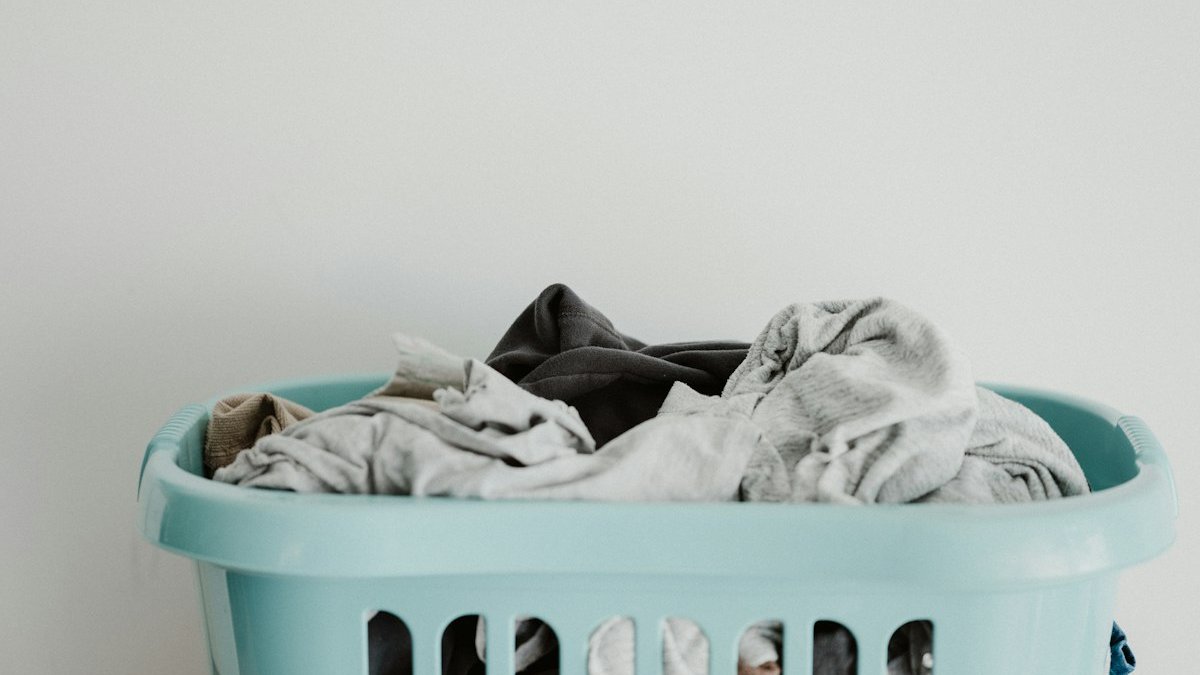
In modern homes and compact rental apartments, the laundry room is rarely an expansive, Pinterest-perfect utility suite with rolling carts, an oversized farmhouse sink, and custom drying cabinets. More often than not, it is a cramped bi-fold closet in the hallway, a tight bathroom alcove, or an unfinished basement corner where you squeeze sideways just to load detergent pods.
Because these utility spaces are so restricted, clutter multiplies exponentially. Detergent jugs leak sticky blue residue onto bare machine lids, ironing boards topple over every time you open the closet door, and mismatched hampers create a laundry bottleneck on the floor.
You do not need to knock down drywall to turn a claustrophobic washer-dryer nook into an ultra-functional utility station. By reclaiming vertical wall air, exploiting magnetic machine flanks, and eliminating floor-hogging hampers, you can easily double your storage capacity in a single afternoon.
• Heavy-duty magnetic side racks utilize unused steel appliance flanks for detergent and stain spray storage.
• Retractable, wall-mounted accordion drying racks replace bulky freestanding wooden floor frames.
• Floating shelves above front-loading units reclaim 18 inches of dead vertical air.
• Decant detergent powder into wide-mouth glass jars with scoops to eliminate sticky plastic bottle drips.
1. Exploit the Magnetic Flanks of Metal Appliances
Standard washing machines and dryers have durable, painted steel outer hulls. In 95% of tight closet setups, the 6-to-10-inch gap between the machine and the drywall wall sits completely empty, gathering lint and lost dryer sheets.
Snap On Industrial-Strength Magnetic Tier Racks
2. The Floating Ledge Above Machine Thresholds
If you have front-loading appliances, the surface directly above the machines is prime real estate. Even with top-loading units, the upper wall space between the lid opening height and the ceiling is almost always completely wasted.
Install a Continuous Melamine or Butcher Block Countertop
If you rent or have top-loaders, mount two deep wire or wood floating shelves at least 15 inches above the highest point of the open washer lid.
3. Retire Floor Hampers for Collapsible Canvas Bins
Rigid plastic laundry baskets are bulky, awkward to carry through narrow hallways, and take up 4 square feet of floor space even when they are completely empty.
Switch to Wall-Hanging Canvas Sacks or Pop-Up Totes
4. The Retractable Accordion Drying Rack
Air-drying delicate blouses, athletic gear, and wool knitwear is essential, but unfolding a massive wooden accordion drying rack in the middle of a hallway blocks doorways and creates an obstacle course.
Mount a Wall-Mounted Extendable Drying Rail
5. Behind-the-Door Utility Overhaul
The interior back panel of a laundry closet door is 15 square feet of untapped functional space that most households leave blank.
Install an Over-the-Door Steel Track System
The 10-Minute Monthly Machine Maintenance Reset
A laundry room cannot stay organized if the machines themselves smell musty. On the first weekend of every month, run an empty hot cleaning cycle with two cups of white distilled vinegar, pull out the front-loading rubber door gasket to wipe away trapped lint and hair, and empty the small bottom drain pump filter. Clean machines keep your clean clothes smelling fresh and extend appliance life by years.
At a Glance: Quick Comparison
| Small Laundry Solution | Installation Method | Average Cost | Space Recovered |
|---|---|---|---|
| Magnetic Side Appliance Caddy | Instant Magnetic (Zero Drill) | $16 – $28 | Recovers 100% of side gap |
| Over-Machine Butcher Block | Rest on cleats / rubber pads | $45 – $85 | Adds 10 sq. ft of folding area |
| Retractable Wall Accordion Rack | Wall anchors (Drywall / Stud) | $25 – $45 | Eliminates floor drying racks |
| Over-Door Wire Grid System | Hangs over top door lip | $22 – $38 | Holds ironing board & sprays |
| Glass Decanting Dispensers | Freestanding on upper shelf | $18 – $30 | Stops sticky plastic bottle leaks |
Frequently Asked Questions
Can I put a countertop over top-loading washing machines?
No, because the lid must open upwards. For top-loaders, install floating wall shelves with a minimum of 18 inches of clearance above the fully opened lid, and use magnetic side organizers instead of top slabs.
How do I prevent vibration from knocking items off shelves above a dryer?
Use felt adhesive pads under storage bins and ensure shelves are securely anchored into wall studs. Never store glass jars directly on top of vibrating machine surfaces—always place them on stationary wall-mounted shelving.
Where should I store an ironing board in a tiny laundry closet?
Use dual over-the-door metal hooks or mount heavy-duty utility T-hooks high on the interior closet wall. Alternatively, swap a bulky full-sized board for a heat-resistant silicone ironing mat that rolls up into a basket.
Loved this organizing system?
Share it with a friend or pin it to your home inspiration board.
Clara Hayes
Lead EditorHome Organization & Interior Specialist
Clara is a home organization specialist with over 8 years of hands-on experience helping families and apartment dwellers create calming, functional, and clutter-free spaces. She tests every storage system and styling hack in her own home before publishing.
Reader Discussion & Tips
Real experiences and questions from mindful homemakers
Leave a Thought or Tip
Have you tested this routine in your home? Your email address will never be published.